Freedom Land America Independence Day: A Designer’s Embroidery Review
When I first opened the Freedom Land America Independence Day design set from SVG Leader, I was immediately struck by its bold, patriotic mood. This is not a subtle, delicate piece—it’s a statement. The graphic style feels like a vinyl sticker or a transfer iron-on, but I was evaluating it as a machine embroidery design for real project use. As someone who runs a small handmade shop and regularly tests digital files before stitching, I know that a good illustration doesn’t always translate to a great embroidery. This review is about how Freedom Land America Independence Day performs when you take it out of the digital world and put it into the hoop.
First Impressions: What This Design Brings to the Hoop
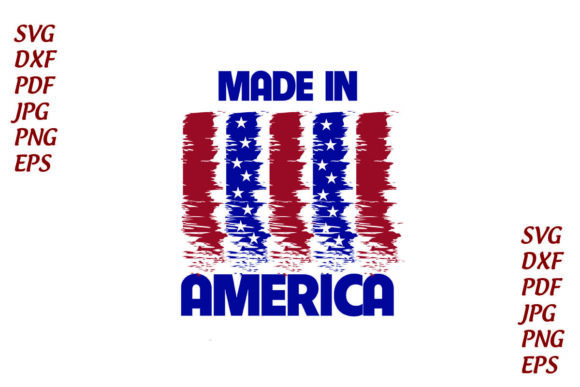
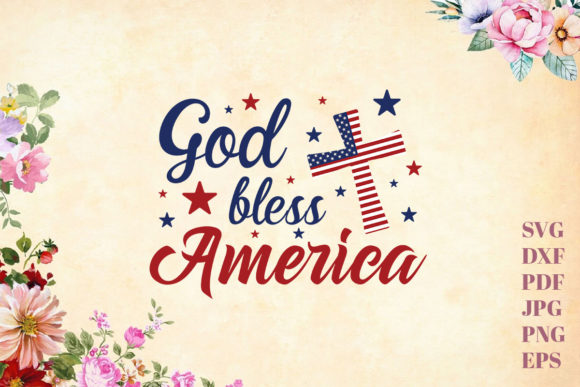
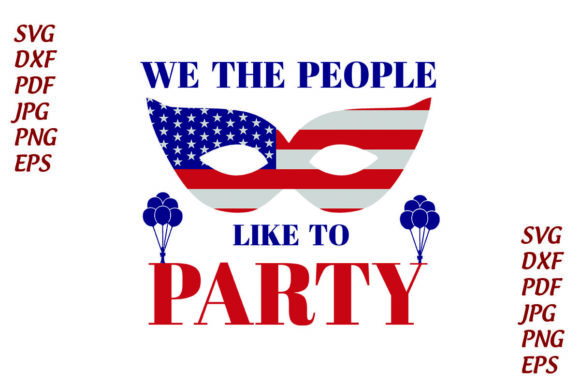
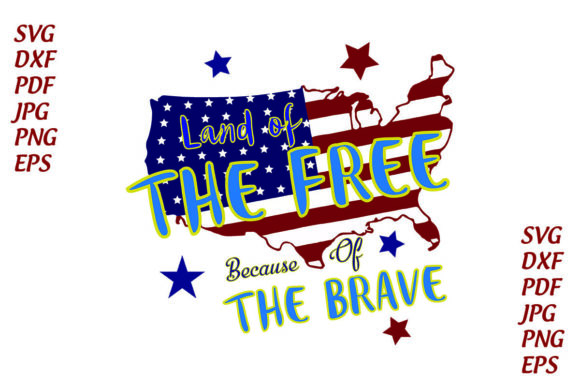
The overall composition is clean and iconic—classic Americana with a modern, graphic edge. The layout is balanced, with strong shapes and clear focal points. The theme is perfect for Independence Day, but also works for any patriotic project, from Memorial Day to Fourth of July events. The detail level is moderate; it’s not overly intricate, which is a good sign for embroidery. Heavy detail can cause thread breaks and density issues, but this design feels like it was created with transfer and vinyl in mind, so the lines are clear and the negative space is generous.
That said, as an embroidery file, the design needs careful evaluation. The original file is delivered as PNG, SVG, EPS, DXF, PDF—all great for graphics and illustrations, but for machine embroidery, you will need to convert it to an embroidery format (like PES, DST, or EXP) using digitizing software. The shapes are clean enough that a good digitizer can turn this into a solid stitch-out, but the stitch density, underlay, and pull compensation will depend on the digitizer’s choices. Do not assume the SVG will stitch perfectly as-is; you must test the converted embroidery file on scrap fabric first.
Real-World Embroidery Performance: From Tote Bags to Caps
I tested Freedom Land America Independence Day on a few different products to see how it behaves in real stitching situations. My first test was a custom embroidered tote bag for a client who wanted a patriotic gift for a family reunion. The design stitched out well on a medium-weight cotton canvas tote. The satin stitch elements (if digitized as such) had good coverage, and the fill stitch areas were dense enough to be opaque but not so heavy that they puckered the fabric. The client loved the bold look, and it held up after a few washes—though I used a stabilizer cutaway to prevent distortion.
Next, I tried it on a sweatshirt for a small shop order. The sweatshirt embroidery required a slightly lighter stitch density because the fleece fabric can stretch and distort. I reduced the density by about 10% in my digitizing software, and the design still looked crisp. The running stitch details (like small stars or text) were clearly defined, but I had to be careful with the thread colors—I used a bright red, white, and blue combo that popped against the navy fabric. On a baby embroidery project, I shrank the design to fit a onesie, and the small details became too dense. I recommend using the design at its original size or larger for best results.
I also tested it as an embroidered patch on a cap. The cap embroidery was tricky because of the curved surface. The design’s graphic nature works well on flat products like aprons, pillow covers, tea towels, and blankets. For caps, I would suggest placing the design on the front center panel, but keep the design small enough to avoid the curve distortion. The vinyl sticker origin of the design means it’s built for flat surfaces, so curved items need extra care with hoop size and stabilizer.
For commercial embroidery projects, such as custom apparel for a small business, this design is a great choice. It’s versatile enough for t-shirts, sweatshirts, and tote bags. The holiday embroidery potential is strong—it’s not just for July 4th; it could work for military appreciation or any patriotic event. The design assets are easy to resize in vector software, and the printable mockup capability lets you show clients exactly how it will look.
Where to Tread Carefully: Fabric and Placement Considerations
Not every fabric will love this design. Because it’s a graphic with solid fill areas, textured fabrics like linen or heavy knits can cause gaps in the stitching. The fill stitch needs a smooth base to cover evenly. Thin fabric like lightweight t-shirts may require a stabilizer that is strong enough to prevent show-through. I recommend using a tear-away or wash-away stabilizer for light fabrics, but always test first.
Stretchy fabric is another challenge. The design’s density can pull the fabric out of shape if the hoop size is too small. I always use a medium-hoop (at least 5x7 inches) for this design to give enough room for the stabilizer to hold the fabric taut. Dark fabric can be a problem if the thread colors are not chosen carefully. The white and blue elements will pop on dark backgrounds, but the red may blend in. I suggest using a lighter red or adding a white outline to separate the colors.
If you are placing the design on a layered garment like a jacket or a bag with pockets, the stitch density can cause the fabric layers to shift. Use a stabilizer on the back of each layer, and consider using a water-soluble topping for terry cloth or fleece. The detailed corners and tiny lettering (if present) should be checked for legibility. If the design has small text, I recommend enlarging it to at least 1.5 inches tall to avoid thread breakage.
Products that need frequent washing like baby items or kitchen towels require a durable embroidery file. The applique design approach could work well here—cutting fabric shapes for the large areas and then stitching the details. That would reduce the stitch count and make the design softer. For a personalized gift like a holiday gift, the vinyl sticker look can be translated into a machine embroidery design with a bit of digitizing effort.
How This Design Elevates Your Finished Products
When done right, Freedom Land America Independence Day adds real value to your handmade products. The visual appeal is immediate—it’s recognizable, patriotic, and clean. Customers who buy custom apparel or personalized gifts for Independence Day events will appreciate the bold graphic. The design has a strong brand consistency if you are building a line of patriotic items. It’s not overly cute or trendy; it feels timeless and solid.
For Etsy sellers and small shop product owners, this design can be a bestseller if you pair it with the right product. A tote bag design with this graphic sells well at summer markets. The handmade presentation improves when the stitching is clean and the colors are vibrant. Customers perceive professionalism when the embroidery is neat and well-placed. The giftability factor is high—people buy patriotic items for family members who love the country or for veterans.
The design also works well for digital product sellers who create printable mockups or design assets. You can show the design on a sweatshirt embroidery mockup and sell the digital file to other crafters. But remember: if you are selling the embroidery file itself, you must confirm the commercial embroidery license from SVG Leader. The product description says “This collection is offered” but does not specify license terms. Always check before using the design in commercial projects or selling finished products.
The stitching clarity is good if the digitizing is done correctly. I recommend using a satin stitch for the outlines and a fill stitch for the large areas. The thread colors should be tested on your actual fabric. The finished product will look like a high-end embroidered patch if you keep the density moderate and use a quality stabilizer.
Embroidery Designer Notes: Before You Stitch
Before you commit to stitching Freedom Land America Independence Day on a client’s item, follow these practical steps:
- Test the converted embroidery file on scrap fabric first. Use the same fabric type you plan to use for the final project. Check for puckering, thread breaks, and color registration.
- Check thread color contrast. The design comes as a digital file, so you choose the colors. Make sure the red, white, and blue have enough contrast against each other and against the fabric background.
- Review stitch density. If the digitized file has too many stitches per square inch, reduce the density or convert large fill areas to applique to save time and prevent distortion.
- Confirm hoop size. The design’s dimensions will determine the hoop. If you are using a small hoop (4x4), you may need to resize the design, but be careful with small details. I recommend using at least a 5x7 hoop for the original size.
- Inspect small details. If the design has tiny stars or thin lines, ensure they are at least 0.08 inches wide to stitch cleanly. Otherwise, they may become unclear after stitching.
- Test in black and white mockups. Print the design in grayscale to see if the contrast between elements is still clear. This helps identify areas that might need color adjustments.
- Compare light and dark fabric backgrounds. The design may look different on white fabric versus black. Adjust the thread colors or add a border to make the design pop on dark fabrics.
- Use proper stabilizer. For most fabrics, a cutaway stabilizer is best for this design type. For stretchy fabrics, use a medium-weight cutaway or a no-show mesh.
- Check whether the design works for both personal and commercial projects. The product description says “Decorate a t-shirt, bag, pillowcase transfer iron. This file will be a cool vinyl sticker.” It does not explicitly state a commercial license. If you are a small business owner or Etsy seller, contact SVG Leader to confirm the license terms before selling the finished embroidery or the digital file.
- Test the design in different sizes. The original proportions may distort when resized. Use vector software like Inkscape or Adobe Illustrator to scale the SVG or EPS before converting to an embroidery format.
One more tip: If you are creating a handmade product for a craft business, consider offering the design as an embroidered patch that can be ironed onto bags or jackets. That way, customers can add it to their own items. The digital embroidery file can be used to stitch patches on a hoop, then cut them out and back them with fusible adhesive.
Overall, Freedom Land America Independence Day is a solid graphics and illustrations product that can be adapted into a beautiful machine embroidery design with the right digitizing. It’s not a plug-and-play embroidery file, but the potential is there for custom apparel, personalized gifts, and small shop merchandise. Buy it with the understanding that you’ll need to do some work to make it stitch-ready, and you’ll end up with a patriotic product that customers will love.