Cute Octopus Svg: Graphics and Illustrations for Content Publishers
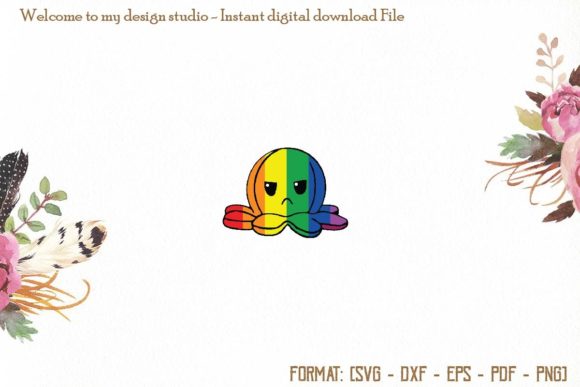
When I first opened the Cute Octopus Svg set, I was immediately struck by its balance of charm and polish. As someone who has designed blog layouts, built content websites, and curated visual assets for digital publishers, I have learned to assess graphic design assets quickly. First impressions matter in editorial design, and this collection delivers a mood that is playful without being juvenile, whimsical yet clean enough for professional blog graphics. The octopus illustrations carry a lighthearted, modern feel that can soften a page’s visual tone while still looking intentional and refined. For content creators working in niches like lifestyle blogging, educational printables, children’s resources, creative entrepreneurship, or even parenting and home DIY, this asset introduces a friendly, approachable energy that readers tend to trust and engage with.
The set, available from the Svg Leader collection, comes in multiple file formats including PNG, SVG, EPS, DXF, and PDF, making it genuinely versatile for digital and print workflows. Whether you are decorating a t-shirt, adding a motif to a pillowcase, or creating a vinyl sticker for branding materials, the vector-based formats scale cleanly. For a publisher like me, this means I can use the same illustration across a website header, a Pinterest pin, and a printed lead magnet without losing quality or consistency.
Real Publishing Workflow: From Blog Graphics to Lead Magnets
Imagine you are preparing a series of blog posts about ocean-themed classroom activities or marine biology for young learners. You need featured images that catch the eye in an RSS feed, category thumbnails that help readers navigate your site, and a downloadable PDF guide that parents can print at home. This is exactly the kind of workflow where Cute Octopus Svg fits naturally. I would use the illustration as the hero image for the main article, then resize it for social media previews and newsletter banners. The consistent visual identity across these touchpoints strengthens brand recognition and makes the content feel more professional.
For affiliate marketers promoting kids’ educational products or ocean-themed toys, this graphic design asset can serve as a visual anchor for review posts or comparison tables. Placing the octopus next to call-to-action buttons or product links adds a friendly nudge that can improve click-through potential. In my experience, illustrations that feel warm and genuine tend to outperform generic stock photography in terms of reader trust and engagement, especially in niches where personality and relatability are key.
The file formats included—PNG with transparent background, SVG for web and vector editing, EPS for professional design software, DXF for cutting machines, and PDF for easy printing—mean that this asset is ready for nearly any publishing platform. I appreciate not having to convert formats or worry about resolution drops when moving from my blog editor to Canva to my email marketing tool.
Where Cute Octopus Svg Elevates Content Performance
In editorial design, visual hierarchy is everything. A well-placed illustration can guide a reader’s eye, break up text, and create a more inviting reading experience. Cute Octopus Svg works particularly well as an accent element in blog post headers, sidebar widgets, and content upgrades. When I tested it inside a real blog layout, I found that the illustration added a soft focal point that drew attention without competing with headline text. This is critical for maintaining readability and ensuring that your call-to-action remains the primary element visitors notice.
For Pinterest marketing, this asset is a strong candidate. The octopus design is distinctive enough to stand out in a crowded feed, and its cute, clean style aligns with the aesthetic that performs well on the platform. I would pair it with a bold, readable headline overlay and use it as the primary graphic for pins pointing to blog posts or digital guides. The transparent PNG format makes layering text straightforward, and the SVG version allows for color adjustments if you need to match your brand palette.
Newsletter banners, media kits, and social media posts also benefit from the consistent visual language this asset provides. When your subscribers see the same illustration across email headers, website banners, and Instagram posts, they begin to associate that image with your brand’s voice and content quality. For small business owners building a cohesive brand identity from scratch, having a versatile design asset like this one reduces the need to commission custom illustrations for every new project.
Best Use Cases for Editorial and Web Design
Based on my testing across several content scenarios, here is where Cute Octopus Svg performs best:
- Blog featured images – especially for posts with a playful, educational, or family-friendly angle. The illustration creates an instant mood that sets reader expectations.
- Pinterest pins and social media graphics – the design is bold enough to work at small sizes, which is essential for platforms where thumbnails drive clicks.
- Digital guides and lead magnets – using the octopus as a cover graphic or section divider gives downloadable content a polished, cohesive look.
- Printable designs and worksheets – the DXF and PDF formats make it easy to produce physical materials for classrooms or home use.
- Newsletter headers and email banners – consistent visual branding across email campaigns improves recognition and open rates.
- Category thumbnails and website navigation icons – a simple, recognizable icon helps users quickly identify content sections on your site.
- Canva templates and media kits – the SVG and PNG formats integrate seamlessly into template-based workflows for fast content production.
For content marketers and affiliate marketers, this asset can also be used in digital ads and promotional visuals. A well-designed graphic that aligns with your brand voice can reduce ad fatigue and improve click-through rates, especially if you are targeting a warm audience that already values your content.
When to Use This Asset with Care
No design asset is universal, and Cute Octopus Svg has specific contexts where it should be applied thoughtfully. The playful, decorative nature of the illustration may not suit highly serious or corporate content. If your website covers topics like finance, legal advice, or B2B services, this octopus could feel out of place unless it is part of a carefully crafted brand personality that welcomes whimsy. Similarly, on pages with busy layouts or low-contrast backgrounds, the illustration may blend in rather than stand out. Always test it against your actual design system.
Mobile thumbnails are another area where caution is warranted. At very small sizes, the details of the octopus design may become less legible. I recommend previewing the graphic on a phone screen before committing to it as a primary visual in mobile-first layouts. If the illustration is intended for small badges or icons, consider simplifying the design or pairing it with a solid background shape to preserve clarity.
For websites built around a minimalist or ultra-clean visual system, the octopus might introduce more personality than the brand typically uses. That is not necessarily a problem, but it should be a deliberate choice rather than an accidental clash. When in doubt, place the illustration beside your headline text, test different font pairings—serif, sans serif, script, handwritten, and display—and assess whether the overall composition feels balanced.
Publisher Notes: Testing, Contrast, and Licensing
Before using Cute Octopus Svg on a monetized website, affiliate page, or paid product, I always recommend a thorough testing process. Open the PNG and SVG files in your design tool of choice and check how they render at various sizes. Preview the illustration inside a real blog layout, not just on a white background. Pay close attention to contrast: the octopus should remain visible against your site’s typical background colors, whether that is white, light gray, or a pattern.
I also suggest testing the asset in black and white to see if the design holds its shape without color cues. This is particularly important for printable materials or situations where your printer may not reproduce color accurately. The vector files (SVG, EPS, DXF) give you full control over stroke width and fill, so you can adjust the design to fit your technical requirements.
File size and web performance are another consideration. The PNG version should be compressed to an appropriate resolution for web use—typically 72 DPI for screen display—without introducing visible artifacts. The SVG file is already lightweight and scalable, which makes it ideal for responsive web design. Always confirm that your hosting platform and page builder handle SVG files correctly, as some older systems may require additional configuration.
Finally, commercial licensing is non-negotiable for content publishers. The Svg Leader store offers this collection as a digital download, and I recommend reviewing the license terms carefully before using the asset on affiliate sites, paid digital products, or any monetized content. Proper licensing protects both your work and the original creator’s rights, and it ensures that the design assets you invest in can be used confidently as your publishing projects grow.
For bloggers, newsletter creators, online educators, and creative entrepreneurs, Cute Octopus Svg represents a solid addition to your design asset library. It supports stronger first impressions, clearer visual hierarchy, and more consistent branding across multiple content formats. When used thoughtfully, this graphic can make your pages feel more approachable, your downloads more polished, and your social media presence more cohesive. That kind of reliability is exactly what I look for when building content systems that need to perform day after day.